How solar tracking can help reduce soil temperature in agrivoltaic systems?
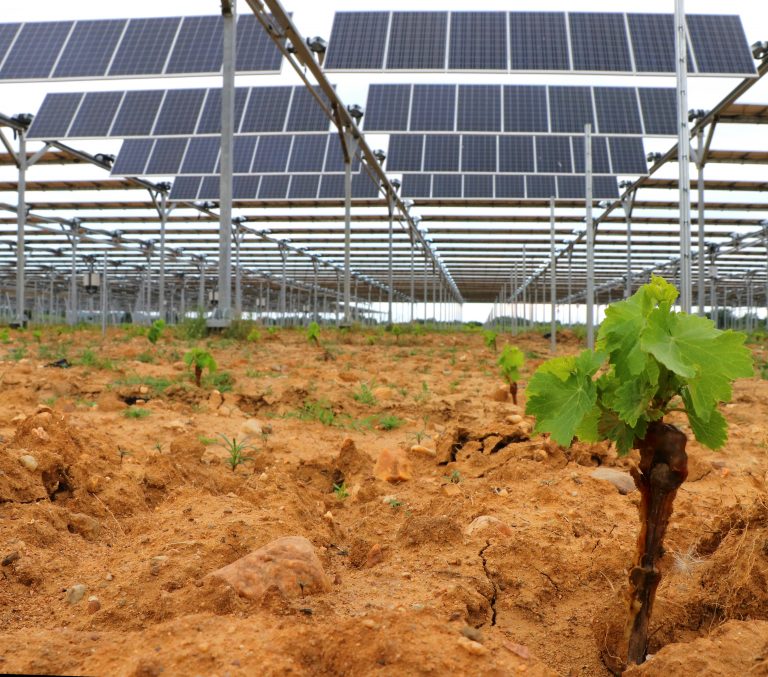
Agrivoltaics can play an important role in protecting agricultural land from increasingly challenging climatic conditions while combining crop production with renewable energy generation.
Recent field measurements conducted by the University of Bari in Italy recorded soil temperatures more than 20°C lower under an agrivoltaic system compared with areas directly exposed to sunlight during extreme heat conditions.
This cooling effect can provide benefits beyond soil temperature. By limiting excessive soil heating and evapotranspiration, agrivoltaic systems can help reduce water stress on crops, an increasingly important consideration in regions facing high temperatures and limited water availability.
The objective of agrivoltaics, however, is not simply to create more shade. The challenge is to provide the right amount of shade at the right time. With solar tracking, module positioning can be adapted throughout the day to help balance crop protection, sunlight exposure, water requirements and renewable energy production.
At Optimum Tracker, AgriPV solutions are designed to adapt to local agricultural conditions, crop requirements and project objectives. By combining solar tracking expertise with an understanding of agricultural constraints, the company develops solutions aimed at supporting both agricultural activity and long-term energy performance.
As climate pressures on agriculture continue to increase, intelligent solar tracking can contribute to developing more resilient and sustainable agrivoltaic systems.